Autism Strengths: Reframing Test Results Through Neurodiversity
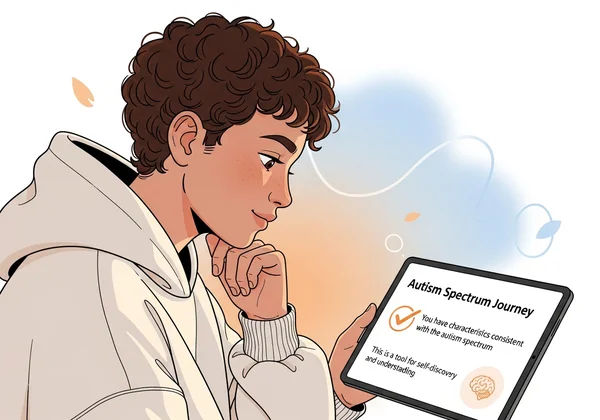
Your autism spectrum test results may have raised questions, brought relief, or sparked confusion. It's a significant moment of self-discovery. But instead of viewing these results through a traditional lens of deficits, what if this is an opportunity to understand your unique strengths? This guide explores how to transform your screening results into a foundation of self-acceptance and empowerment. By embracing the principles of neurodiversity, you can start a new chapter of understanding yourself.
Your journey often starts with one simple step: seeking initial insights. A confidential, science-based autism spectrum test can serve as a valuable starting point. It provides a private way to explore your traits and receive immediate feedback, paving the way for a deeper, more positive understanding of who you are.
Understanding the Neurodiversity Paradigm
Neurodiversity is a concept that is changing how we talk about autism. It suggests that brain differences, like those associated with autism, are natural variations of the human brain. Instead of seeing these differences as problems to be fixed, neurodiversity celebrates them as a normal part of human diversity.
This perspective is empowering because it shifts our focus. Instead of looking at what a person can't do, it highlights what they can do differently—and often exceptionally well. Understanding this paradigm is the first step toward reframing your test results and embracing your identity.
From Medical Model to Neurodiversity: A Paradigm Shift
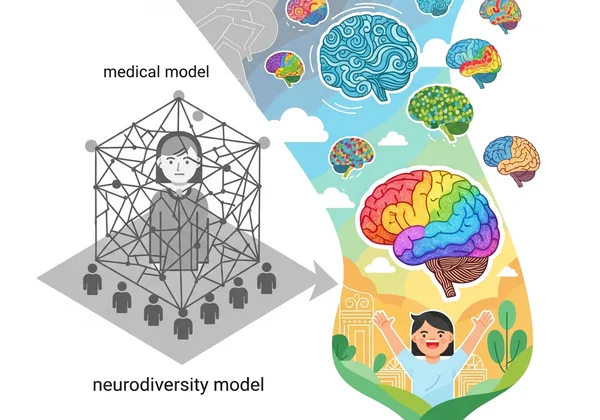
For a long time, autism was viewed through a "medical model." This model defined it by a list of symptoms and challenges, often framed as disorders that needed correction. While this view helps in clinical settings, it can feel quite limiting and negative. It might make people feel like something is broken or incomplete within them.
The neurodiversity paradigm offers a refreshing alternative. It moves away from the language of "disorder" and toward "difference." This shift doesn't ignore the real challenges that autistic individuals may face. Instead, it places them in the context of a society that is often not built for neurodivergent minds. It asks, "How can we change the environment to support the individual?" rather than "How can we change the individual to fit the environment?"
The Brain Science Behind Neurodiversity
The concept of neurodiversity is supported by modern brain science. Neuroscience shows that every brain is wired differently. For autistic individuals, these differences can lead to unique ways of thinking, processing information, and perceiving the world. For example, some autistic people have a remarkable ability to focus intensely on subjects they are passionate about, a trait known as hyperfocus.
Other research highlights differences in sensory processing, pattern recognition, and logical reasoning. These aren't defects; they are simply different cognitive operating systems. Recognizing the neurological basis for these traits helps demystify them. It allows us to move past stereotypes and appreciate the diverse cognitive tapestry that makes up humanity. This scientific backing gives credibility to the idea that autism is a difference in wiring, not a deficiency.
Decoding Your Test Results Through a Strengths-Based Lens
Getting your screening results can bring up a lot of feelings. While these tests aren't official diagnoses, they're valuable tools that help you better understand your unique traits. By applying a strengths-based lens, you can decode these results in a way that feels constructive and empowering.
Instead of seeing a high score as a measure of "how autistic" you are, think of it as an indicator of your unique cognitive profile. This is your chance to explore the strengths that come with your neurological wiring. To begin this journey of self-discovery, you can start your test and see your results as a map, not a label.
Moving Beyond "Symptoms" to Neurological Traits
One of the most powerful changes you can make is in your language. The medical model uses words like "symptoms," "deficits," and "impairments." These words carry a negative weight. A strengths-based approach swaps them for neutral, descriptive terms like "traits," "characteristics," and "differences."
For example, what a screening tool might identify as "repetitive behaviors" could be reframed as a powerful method for self-regulation, called stimming. A "fixated interest" can be seen as a deep passion and an ability for intense focus that can lead to incredible expertise. This simple shift in language can profoundly change how you view yourself and your results.
Identifying Your Unique Cognitive Profile
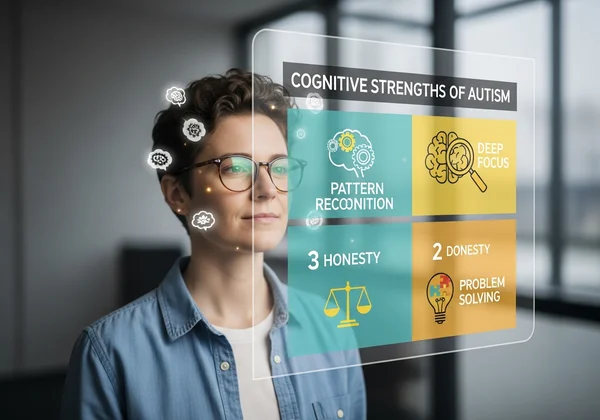
Your test results can act as a guide to your specific cognitive profile. Look at the questions you answered and the patterns they reveal. Do you excel at recognizing patterns? Are you a highly logical thinker? Do you notice details that others miss? These are common autistic strengths.
Many autistic individuals possess:
- Strong pattern recognition: The ability to see connections and systems that others overlook.
- Deep focus: The capacity to concentrate on a task or interest for long periods, leading to high levels of skill.
- Honesty and directness: A commitment to truth and transparent communication.
- Unique problem-solving skills: The tendency to approach challenges from unconventional angles.
By identifying these traits in yourself, you can start building a positive self-concept based on your abilities, not your challenges.
Sensory Processing: Understanding Your Neurological Environment
Many autism screening tools include questions about sensory experiences. You might be highly sensitive to sounds, lights, or textures. Or you might be hyposensitive, meaning you seek out strong sensory input. Understanding your sensory profile is key to creating an environment where you can thrive.
Instead of seeing sensory sensitivity as a weakness, view it as a heightened awareness of your environment. This awareness, when managed, can be a source of rich experiences. Knowing your sensory needs allows you to advocate for them. You can use noise-canceling headphones, wear comfortable clothing, or adjust the lighting in your room. This is not about being difficult; it's about creating a space that supports your neurological well-being.
Embracing Your Autistic Identity with Self-Acceptance
Understanding your traits is the first step; embracing them is the journey. Self-acceptance is a process that involves navigating emotions, finding your community, and learning to advocate for yourself. This path is unique for everyone, but it is a journey toward a more authentic and fulfilling life.
For many, this process starts by confirming their initial feelings with a reliable tool. A free and confidential online autism test can provide the clarity needed to take these next steps with confidence.
Navigating the Emotional Journey of Self-Discovery
Discovering you might be autistic can bring a whirlwind of emotions. You might feel relief as past struggles finally make sense. You might feel grief for the years you spent not understanding yourself. You might feel anger at a world that didn't accommodate you. Whatever you're feeling—relief, grief, anger—it's all valid.
Give yourself permission to experience these emotions without judgment. Journaling, talking to a trusted friend, or seeking therapy can be helpful. Remember that this is not about finding something "wrong" with you. It is about finding you. This journey of self-discovery is a powerful act of self-compassion.
Building Community and Finding Your Tribe
Connecting with other autistic people can be a transformative experience. For the first time, you may feel truly understood. Online communities, social media groups, and local meetups provide spaces to share experiences, exchange advice, and celebrate neurodivergent identities.
Finding your "tribe" validates your experiences and reduces feelings of isolation. Hearing others describe similar thoughts and feelings can be incredibly affirming. These communities are invaluable sources of support, friendship, and collective empowerment. They remind you that you are not alone and that there is a vibrant, diverse community waiting to welcome you.

Self-Advocacy: From Understanding to Action
Self-acceptance naturally leads to self-advocacy. Once you understand your needs, you can start communicating them to others. This can be as simple as telling a friend you prefer quiet environments or as significant as requesting accommodations at work or school.
Self-advocacy is about creating a life that works for you. It involves setting boundaries, asking for what you need, and educating others about your experience. It is a skill that develops over time. Start small, with people you trust. Each act of self-advocacy reinforces your self-worth and paves the way for a more accommodating world.
Your Next Steps in Embracing Neurodiversity
Reframing your autism spectrum test results through the lens of neurodiversity is a transformative process. It shifts the focus from perceived deficits to unique strengths, paving the way for self-acceptance and empowerment. This journey is about discovering your authentic self and building a life that honors your needs.
Here are the key takeaways:
- Embrace Neurodiversity: View autism as a natural brain difference, not a disorder.
- Focus on Strengths: Identify your unique cognitive talents, such as pattern recognition and deep focus.
- Find Your Community: Connect with other autistic individuals to feel understood and supported.
Your journey of self-discovery is just beginning. Understanding your traits is the first step toward living a more authentic and empowered life. If you're ready to gain deeper insight into your personal profile, a great place to start is with a reliable screening.
Take the next step today. By using our free online autism test, you can receive confidential, science-based insights to help you on your path to self-understanding.
Frequently Asked Questions About Autism and Neurodiversity
What does it mean to embrace neurodiversity?
Embracing neurodiversity means accepting that brain differences, including autism, are a natural and valuable part of human variation. It involves shifting your perspective from a "deficit" model to a "difference" model, celebrating unique strengths and advocating for supportive environments rather than trying to "cure" or "fix" the individual.
How can I find community as an autistic adult?
Finding a community is easier than ever thanks to the internet. You can search for autistic-led groups on social media platforms, join online forums, or look for local advocacy and social groups in your area. These spaces provide invaluable support, validation, and a sense of belonging.
Are autism test results the final word on my identity?
No, the results from an online screening like the one on our site are not a formal diagnosis. They are a tool to provide initial insights and help you understand your traits. Your identity is a complex, personal journey. These results can be a helpful guide, but you are the ultimate expert on your own experience. To explore your traits, you can try our free tool.
How do I explain neurodiversity to family members?
Start with a simple analogy. Explain that just as people have different physical traits, people also have different brain wiring. You can share articles or videos that explain the concept clearly. Emphasize that neurodiversity is about understanding and accommodating differences, not judging them. Be patient, as it may take time for them to understand this new perspective.