Does Autism Spectrum Disorder Get Worse With Age: Fact vs. Fiction
You might feel like things are harder now than they used to be. Perhaps you are exhausted, your sensory sensitivities feel sharper, or social interactions that used to be manageable now leave you drained. It is common for adults to ask, "Does autism spectrum disorder get worse with age?"
The short answer is biologically no, but your experience of the symptoms can certainly change. Life gets more complex as we grow older, and the strategies that worked in childhood might not hold up against adult pressures.
This guide explains the science behind these changes and helps you distinguish between "regression" and burnout. We will also explore actionable ways to manage these shifts. If you are looking for clarity on your current traits, you can also try the autism spectrum test to better understand your baseline.

The Short Answer: Is Autism Degenerative
First, let’s clear up the biggest fear. Does autism spectrum disorder get worse with age in a medical sense? No.
Autism is a neurodevelopmental condition, not a neurodegenerative one. Degenerative conditions (like Alzheimer’s or Parkinson’s) involve the progressive loss of brain cells or function over time. Autism does not work this way. Your brain structure does not deteriorate simply because you are getting older.
Neurodevelopment vs. Neurodegeneration
It is crucial to understand this distinction to reduce anxiety.
- Neurodevelopmental: This means the brain developed differently from birth. These differences are stable features of who you are.
- Neurodegenerative: This implies a disease process that attacks the brain over time.
However, just because the condition is stable doesn't mean your experience of it is static. Symptoms fluctuate. Your capacity to cope with the world changes depending on your health, your environment, and your stress levels.
Why Symptoms Fluctuate
Think of your autistic traits like a volume dial. The dial itself (the autism) doesn't change, but external factors can turn the volume up or down.
When you are well-rested and supported, the volume might sit at a manageable "3." But when you are stressed, sick, or undergoing a major life change, that volume might spike to a "9." This isn't the autism getting worse; it is the demand on your nervous system increasing.
Unpacking "Adult Regression": Why It Happens
If biology isn't to blame, why do so many people search for terms like autism regression in adults? The answer often lies in the environment and psychological load.
The "Cliff Effect": Losing Support After School Ends
For many, childhood and school provided a structured "scaffolding." You had a set schedule, clear expectations, and perhaps parents or teachers managing your executive functions.
When you enter adulthood, that scaffolding often disappears overnight. This is known as "The Cliff Effect." Suddenly, you must manage bills, a job, social nuances, and household chores simultaneously. The removal of support can make existing executive function challenges become painfully obvious. It looks like regression, but it is actually a drastic increase in difficulty level.
The Heavy Cost of Long-Term Masking
Many adults, especially those diagnosed late, have spent decades "masking" or camouflaging their traits to fit in. You might force eye contact, suppress stims, or script conversations.
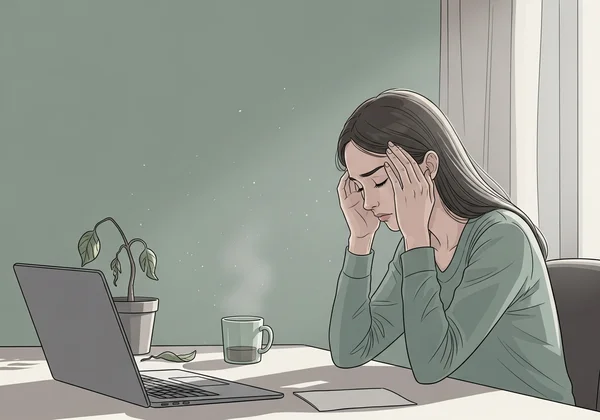
While masking might help you survive socially in your 20s, it requires an immense amount of cognitive energy. By the time you reach your 30s, 40s, or 50s, your battery may simply be depleted. The "worsening" you feel is often the result of a lifetime of effort catching up with you. You aren't losing skills; you are just too tired to fake them anymore.
Sensory Accumulation
Does it feel like lights are brighter or noises are louder than they used to be? Autism worsening with age symptoms often manifests heavily in sensory processing.
As we age, our physical resilience naturally dips. We recover more slowly from stress. Consequently, your brain’s ability to filter out background noise or ignore an uncomfortable shirt tag decreases. The sensory input is the same, but your energy to block it out is lower.
Checklist: Distinguishing Burnout from "Worsening" Autism
One of the most helpful things you can do is learn to tell the difference between actual skill loss (which is rare) and Autistic Burnout (which is very common).
Burnout is a state of physical, mental, and emotional exhaustion caused by the cumulative stress of navigating a neurotypical world. It is usually temporary and reversible with rest, whereas true regression suggests a medical issue.
Use this checklist to reflect on your current state.
Common Signs of Autistic Burnout:
- Physical Exhaustion: You feel tired down to your bones, even after sleeping.
- Loss of Verbal Skills: You find it harder to speak or articulate thoughts than usual.
- Increased Sensitivity: Sounds or textures you could previously tolerate now cause meltdowns.
- Executive Dysfunction: Routine tasks (showering, cooking) feel impossible.
- Social Withdrawal: You have zero energy for interaction and isolate completely.
Action Step: If you check three or more of these boxes, you likely need rest and accommodation, not medical treatment for a degenerative disease. Acknowledging burnout is the first step to recovery. You can also read our comprehensive autism test guide to understand how these traits manifest across the spectrum.
Understanding Your Baseline: A Path to Self-Management
Once you realize that autism spectrum disorder does not get worse with age biologically, you can shift your focus from fear to management. The key is self-awareness.
Why Self-Awareness is the Best Defense
You cannot manage what you do not measure. If you don't know your specific sensory triggers or social limits, you will keep pushing yourself until you crash. Understanding your unique profile helps you build a life that supports your needs rather than fighting them.
Tool Spotlight: Exploring Your Traits
If you are feeling confused about which traits are "you" and which are burnout, getting a clear picture of your spectrum profile can be validating.
We offer an educational tool designed for self-discovery. It is not a diagnosis, but it can help you map out your specific strengths and challenges.
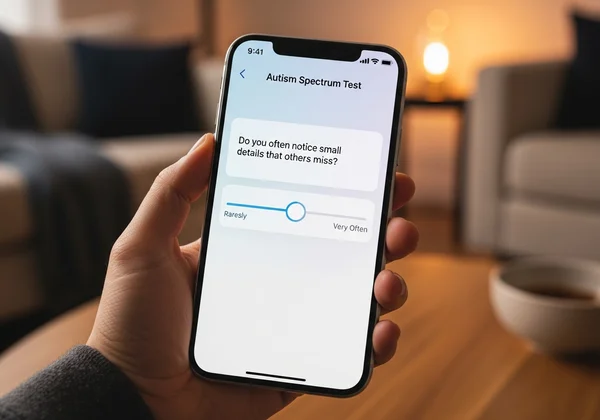
Curious about your profile?
Many adults find that visualizing their traits helps them communicate their needs better. You can check your traits with this autism spectrum test to get a detailed report.
Note: This tool is for educational purposes and self-reflection only.
What Your Results Can Tell You
Seeing your traits laid out can help you identify:
- Sensory/Motor traits: Do you need more quiet time?
- Social/Communication traits: Do you need to set firmer boundaries?
- Attention/Structure traits: Do you need to use different organizational tools?
Specific Concerns: Does Mild Autism Get Worse
A very specific anxiety exists for those with "Level 1" or "high-functioning" autism. You might search, "Does mild autism get worse with age?" because you feel like you are struggling more than your peers.
The Paradox of "High Functioning"
Ironically, those with "mild" autism often struggle more with aging in certain ways. Why? Because you are often expected to function exactly like a neurotypical person.
Consider this scenario: In college, you might have had a clear syllabus, limited class hours, and mostly solitary study time. It played to your strengths. Now, in a corporate job, you are expected to handle vague instructions, navigate complex office politics, and attend loud "networking" events after work. The cognitive load hasn't just doubled; it has skyrocketed.
You may receive little to no support because you "look fine." Yet, you are working twice as hard to maintain that appearance. As adult responsibilities pile up—raising children, managing a career, caring for aging parents—the gap between your capacity and society's demands widens. The autism isn't getting "severe"; the safety net is just gone.
Managing Anxiety and Depression
It is also vital to distinguish between autism and comorbidities. Anxiety and depression are very common in autistic adults. Often, untreated depression can look like cognitive decline or lack of motivation. Treating these co-occurring conditions can significantly reduce the feeling that your autism is "worsening."
The Silver Lining: Does Autism Improve With Age
It is not all bad news. In fact, for many people, the answer to "Does autism spectrum disorder improve with age?" is a resounding yes.
The Power of Learned Experience
While energy might decrease, wisdom increases. Many older autistic adults report:
- Better Self-Advocacy: You stop apologizing for your needs and start setting boundaries.
- Skill Acquisition: You have had decades to learn social patterns and coping mechanisms.
- Perspective: You care less about what others think.
Finding Your "Tribe"
As an adult, you have more control over who you spend time with. Moving away from forced school socialization toward chosen communities (often online or interest-based) can lead to a much higher quality of life. The pressure to mask decreases when you are with people who accept you.

Embracing the Journey: Management Over Fear
So, does autism spectrum disorder get worse with age? No, but your life changes, and your autism moves with it.
The feeling of regression is real, but it is usually a signal that your current environment no longer matches your needs. It is a sign of burnout, not biology. The goal is not to "fix" your brain but to adjust your life to fit your brain.
Start by listening to your body. Recognize the signs of burnout, prioritize rest, and stop forcing yourself to meet neurotypical standards that drain you. If you are ready to take a closer look at your specific patterns, remember to explore our autism spectrum test results explained resources or take the screening itself to start your journey toward better self-management.
Disclaimer: This article is for informational purposes only and does not constitute medical advice. If you are experiencing sudden or severe loss of skills, please consult a medical professional to rule out other health conditions.
Frequently Asked Questions
Do sensory sensitivities get more intense with age?
Yes, this is very common. As your physical energy levels drop with age, your brain has fewer resources to filter out sensory input. Fatigue makes it harder to ignore background noise or uncomfortable textures.
Is there a link between autism and dementia risk?
Current research is exploring this, and while some studies suggest a potential overlap in risk factors, having autism does not guarantee you will develop dementia. However, because autistic adults often experience executive function challenges, normal age-related cognitive changes might feel more pronounced or distressing than they do for neurotypical peers.
Can hormonal changes affect symptoms?
Absolutely. Hormonal shifts during puberty, pregnancy, and menopause can significantly impact emotional regulation and sensory processing. Many women report a spike in difficulties during menopause.
Is it ever too late to get assessed for autism?
No, it is never too late. Many people are diagnosed in their 50s, 60s, or even 70s. A late diagnosis or self-assessment can bring immense relief and explain a lifetime of "feeling different."
Can stress cause a temporary loss of skills?
Yes. This is distinct from regression. High stress can cause you to temporarily lose access to skills you normally have (like speaking or cooking). These skills usually return once the stressor is removed and you have recovered.