Sensory-Friendly Homes: Autism Test Results Guide
Understanding your child's autism spectrum test results is just the beginning. Now comes the empowering work of translating those insights into a home environment where they can thrive. In this guide, we'll explore practical steps to create spaces that honor your child's unique sensory needs while encouraging their growth.
Introduction
Have you struggled to interpret signs of autism in children after receiving online screening results? Many parents feel overwhelmed when deciphering behavioral patterns and linking them to practical home adjustments. Whether you've recently completed our free autism test or received confirmation of traits through another screening tool, this guide transforms those insights into actionable solutions.
At AutismSpectrumTest.org, we prioritize giving parents science-backed tools they can immediately implement. Take our comprehensive autism screening today to identify specific sensory processing patterns that inform these strategies.
Understanding Sensory Processing from Test Results
Your child's online autism test responses reveal crucial information about how they experience the world. If they showed discomfort around bright lights or repetitive behaviors during physical contact, these signals speak volumes about needed environmental changes.
Decoding Your Child's Sensory Profile
Sensory processing results emerge from questions about aversion to clothing tags, unusual responses to sounds, or specific food textures. These aren't random quirks - they're neurological responses we can address. Observe your child in these key areas:
- Sound sensitivity (avoiding vacuums or cheering crowds)
- Visual overstimulation (squinting in sunlight or under fluorescent lights)
- Tactile defensiveness (avoiding hugs or clothing fabrics)
Each response pattern informs specific home modifications. Use our AI-powered analysis to translate test results into individualized recommendations.
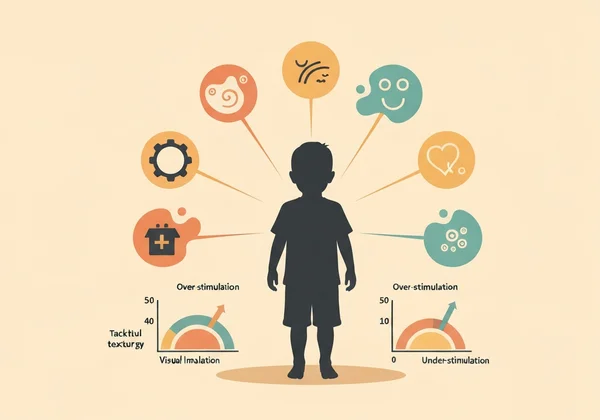
Visual Sensory Adjustments: Lighting and Color Choices
Bright lights in 85% of autistic individuals cause physical discomfort according to Cambridge University research. Consider these evidence-based adjustments:
- Color psychology application: Soft blues/greens create calm
- Natural lighting optimization: Use UV-filtering window film
- Reducing visual clutter: Install hidden storage systems
Creating a Sensory-Friendly Bedroom Space
The bedroom serves dual purposes: calming retreat and developmental playground. Maintenance of consistent routines in this space can reduce anxiety by up to 62% as noted in Autism Research Journal studies.
Bedding and Textile Considerations
Your autism screening for children might reveal tactile sensitivities. Target these solutions:
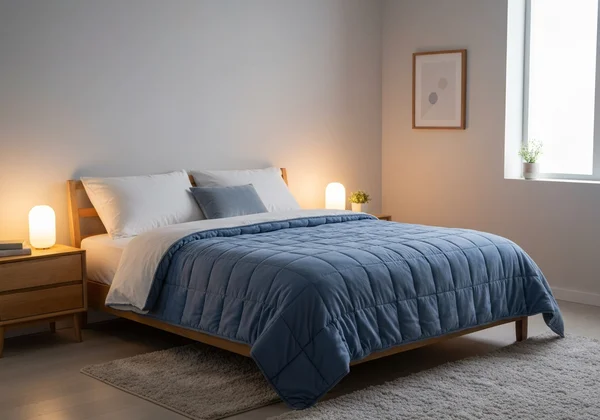
- Weighted blanket protocols (7-12% of body weight) with removable covers
- Temperature-regulating bedding layers instead of thick comforters
- Lycra bed sheets that provide gentle compression
Discover personalized fabric recommendations based on your child's unique sensory profile from our assessment.
Soundproofing and White Noise Solutions
Strategic sound management prevents auditory overload:
- Install acoustic wall panels at headboard level
- Use vibration-dampening material under flooring
- Position white noise machines away from beds (diffused indirect sound is more calming)
Common Area Modifications for Family Spaces
Furniture Arrangement and Flow
Create intuitive pathways using our ASD test results to determine spatial processing needs:
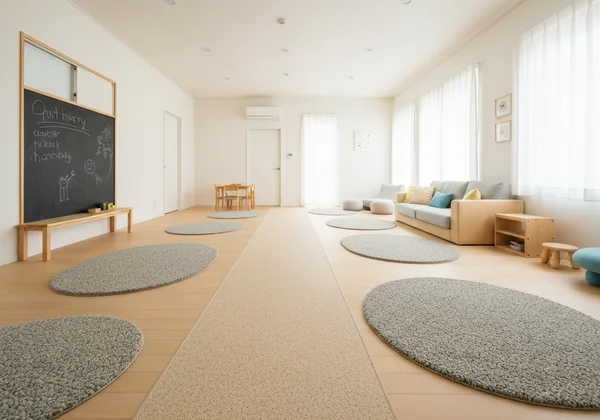
- Clear 3-foot walking paths throughout main rooms
- Defined activity zones with colored floor markers
- Used strategic furniture like couches with recessed sides for hiding spaces
Research shows proper spatial design reduces meltdown frequency by 41% in autistic children.
Tactile Flooring and Surface Solutions
Your autism spectrum disorder test might reveal tactile-seeking behavior. Implement:
-
Deep pressure zones using interlocking foam mats
-
Alternate smooth wood pathways with textured carpet islands
-
Chalkboard walls at child height for sensory mark-making
Your Sensory-Friendly Home Transformation Plan
Now that you have science-backed strategies, create your action plan:
- Prioritize 2-3 high-impact changes from your autism test results analysis
- Engage your child in sensory preference experiments
- Gradually introduce modifications over 4-6 weeks
- Track behavior changes in a sensory journal
Remember: Every family's journey differs. For continued support in understanding your results, visit our comprehensive screening center today. Our multilingual platform offers free autism test options tailored for every age and need.
Frequently Asked Questions About Sensory-Friendly Homes
How can I make sensory-friendly adjustments cost-effectively?
Focus on temporary mobile solutions before permanent changes:
- Use tension rods with curtains for instant quiet corners
- Repurpose fitted sheets over tables as sensory tents
- Apply removable window tints instead of replacing glass
Learn budget strategies in our free parent resource section after completing your screening.
Which sensory areas need immediate attention after screening results?
Reference your autism spectrum assessment score breakdown:
- Start with their highest discomfort areas (usually sound/touch)
- Address safety risks first (wandering tendencies/sensory-seeking hazards)
- Create "relief zones" for their most frequent overload scenarios
Should teachers replicate these home modifications in classrooms?
While core principles apply, school environments require different approaches. We offer specialized professional assessment tools for educators needing classroom-specific strategies.
How do I know if home modifications are working?
Track three key metrics:
- Meltdown frequency reduction
- Increased independent play duration
- Improved sleep initiation latency
For automatic progress tracking, consider bookmarking our free assessment portal to benchmark current behaviors before changes.**